
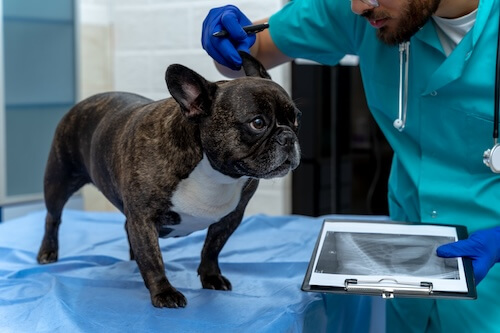
Advanced Diagnostic Imaging for Your Pet
When your pet is sick, injured, or showing unexplained symptoms, diagnostic imaging can provide valuable information that may not be visible during a physical examination. Our imaging services help our veterinary team better understand what is happening inside your pet and develop an appropriate treatment plan.
What types of imaging services do you provide?
Depending on your pet’s needs, diagnostic imaging may include:
- Digital X-rays (radiographs) — Useful for evaluating bones, joints, chest, and abdomen.
- Ultrasound — Provides detailed images of soft tissues and abdominal organs.
- Dental X-rays — Help identify problems below the gumline, including affected tooth roots and bone loss.
- Other advanced imaging — When specialized imaging such as CT or MRI is needed, we can discuss referral options with you.
When would a veterinarian recommend imaging?
Imaging may be recommended when your pet has unexplained symptoms, an injury, or a condition that requires a closer look. Common reasons include:
- Persistent vomiting or diarrhea
- Abdominal pain or swelling
- Difficulty breathing
- Lameness or suspected injury
- Suspected fractures
- Changes in appetite or weight
- Urinary problems
- Suspected foreign objects
- Abnormalities found during a physical examination or laboratory testing
- Monitoring a previously diagnosed condition
What conditions can imaging help diagnose?
Diagnostic imaging can help identify or evaluate a wide variety of conditions, including:
- Fractures and orthopedic injuries
- Arthritis and other joint abnormalities
- Heart and lung conditions
- Intestinal blockages or foreign bodies
- Abdominal and urinary abnormalities
- Masses and tumors
- Bladder and kidney problems
- Dental disease
- Pregnancy and reproductive conditions
Imaging findings are considered alongside your pet’s history, physical examination, and laboratory results to provide a complete picture of their health.
Is imaging performed in-house?
Many routine imaging procedures can be performed in-house, allowing our veterinary team to obtain diagnostic information without sending you to another facility. When advanced imaging or specialized equipment is indicated, we can coordinate an appropriate referral.
Who interprets the results?
Our veterinarians review the images as part of your pet’s diagnostic evaluation. When appropriate, images can also be submitted to a board-certified veterinary radiologist or other veterinary specialist for additional interpretation.
How quickly can results typically be available?
Timing depends on the type of imaging and the complexity of your pet’s case. Routine X-rays may often be reviewed during your pet’s visit, while studies requiring specialist interpretation may take longer. We’ll explain the expected timeline and contact you with the results and recommended next steps.
What should owners expect during an imaging appointment?
Your pet will first receive an examination and assessment to determine which imaging is appropriate. The veterinary team will position your pet carefully and obtain the necessary images while keeping them as comfortable and calm as possible.
For some procedures, your pet may need to remain still for several minutes. We’ll discuss preparation instructions, including whether your pet should be fasted before the appointment.
Does imaging require sedation or anesthesia?
Not always. Many X-rays can be performed without sedation, particularly when a pet is comfortable and able to remain still.
Sedation or anesthesia may be recommended when:
- Your pet is anxious or difficult to position
- The procedure could cause discomfort
- Very precise positioning is required
- Your pet needs to remain completely motionless
- A longer or more involved imaging procedure is being performed
If sedation or anesthesia is recommended, we’ll discuss the benefits, risks, monitoring, and preparation with you beforehand.
Are there differences in imaging needs between dogs and cats?
Yes. Although many imaging techniques are used for both dogs and cats, the appropriate approach depends on the species, age, size, symptoms, and suspected condition.
Cats, for example, may require different positioning or handling techniques, while certain feline conditions may make ultrasound or specialized imaging particularly valuable. Every imaging plan is individualized to the patient.
Clearer Answers Through Better Diagnostics
Whether your pet has experienced an injury or is showing symptoms that don't have an obvious cause, diagnostic imaging can provide important information to guide care. Our team will explain why imaging is recommended, what the procedure involves, and what the results mean for your pet.
Veterinary Services
Below are all of the veterinary services we offer at Dunes Veterinary Clinic. If you have any questions regarding our services, please feel free to contact us.